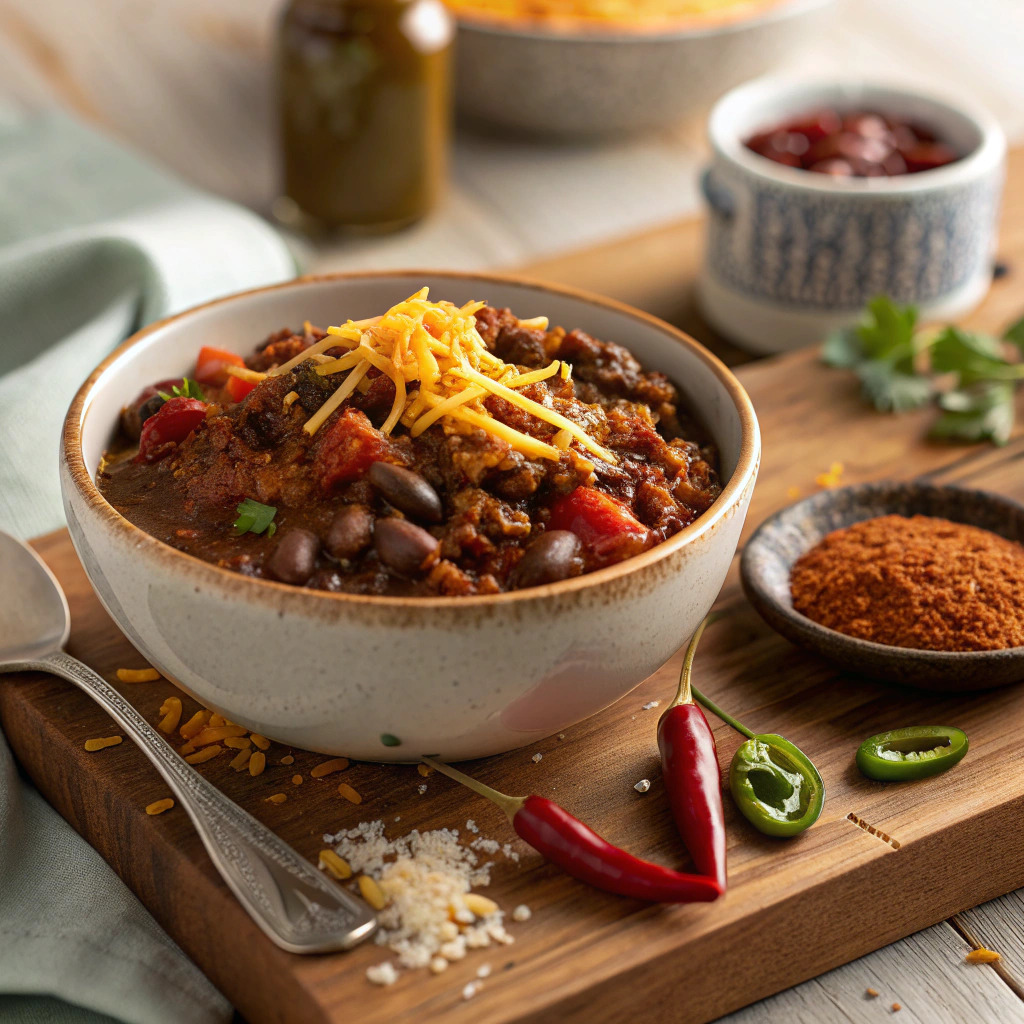
Elevate your chili game with a homemade chili seasoning that bursts with flavor and freshness. This blend is not only easy to make but also healthier than store-bought packets, allowing you to control the ingredients and tailor it to your taste preferences.

The Backstory You Actually Want to Read
Creating your own homemade chili seasoning opens the door to a world of flavor customization and freshness. Unlike pre-packaged options that often contain preservatives and added sodium, this recipe ensures that every spice is fresh and potent. You can adjust the heat level by adding more or less cayenne pepper or chili powder, making it suitable for everyone from mild to spicy lovers. Moreover, this seasoning can be used beyond chili; it’s perfect for tacos, soups, and even roasted vegetables. If you’re looking to impress family or friends with your culinary skills, this homemade blend is a must-have in your spice arsenal. Crafting your own seasoning not only enhances the taste but also adds a personal touch to your meals, making them memorable.
Tools of the Trade
To prepare your homemade chili seasoning, you will need a few basic tools that are commonly found in any kitchen.
- A small mixing bowl for combining the spices
- A whisk or spoon to mix the ingredients thoroughly
- An airtight container for storage, which will help keep the spices fresh. If you have a spice grinder, it can be helpful for grinding whole spices, but it's not necessary. This process requires very minimal equipment, making it accessible for anyone to create their own flavorful blend.
Learn from My Mistakes
When making your homemade chili seasoning, consider these helpful tips to enhance your experience. Taste your spices before mixing; fresh spices will have robust flavors, while older ones may be dull. Adjust the heat level according to your preference; start with a small amount of cayenne and increase it if you prefer a spicier kick. For safety, always wash your hands after handling hot spices, and avoid touching your face. If you're storing the seasoning, keep it in a cool, dark place to maintain its flavor. When using the seasoning, remember that it can be adjusted based on the amount of meat or beans in your chili, ensuring a perfect flavor balance with every batch.
Recipe Card

Ingredients
- 2 tablespoons chili powder (use hot or mild according to preference)
- 1 tablespoon cumin
- 1 tablespoon paprika
- 1 tablespoon dried oregano
- 1 teaspoon garlic powder
- 1 teaspoon onion powder
- 1 teaspoon cayenne pepper (adjust for desired heat)
- 1 teaspoon salt (optional, adjust to taste)
- 1/2 teaspoon black pepper
Instructions
- In a small mixing bowl, combine the chili powder, cumin, paprika, oregano, garlic powder, onion powder, cayenne pepper, salt, and black pepper.
- Mix the spices thoroughly with a whisk or spoon until well blended.
- Taste the mixture and adjust any spices according to personal preference, adding more cayenne for heat or more cumin for earthiness.
- Transfer the seasoning to an airtight container and store in a cool, dry place for up to six months.
- When ready to use, start with two tablespoons of seasoning per pound of meat or beans, adjusting to taste.
Storage Instructions
Store the chili seasoning in an airtight container in a cool, dry place for up to six months.
Customizing
Feel free to get creative with your homemade chili seasoning by incorporating different spices or herbs based on personal taste. For a smoky flavor, try adding smoked paprika or a dash of liquid smoke. If you prefer a sweeter note, a pinch of brown sugar can complement the spices beautifully. You can also experiment with adding dried herbs like oregano or thyme for an aromatic twist. For a more complex flavor profile, consider including a bit of ground cumin or coriander. Each variation can create a unique chili experience, allowing you to cater to different palates or occasions.
On the Plate
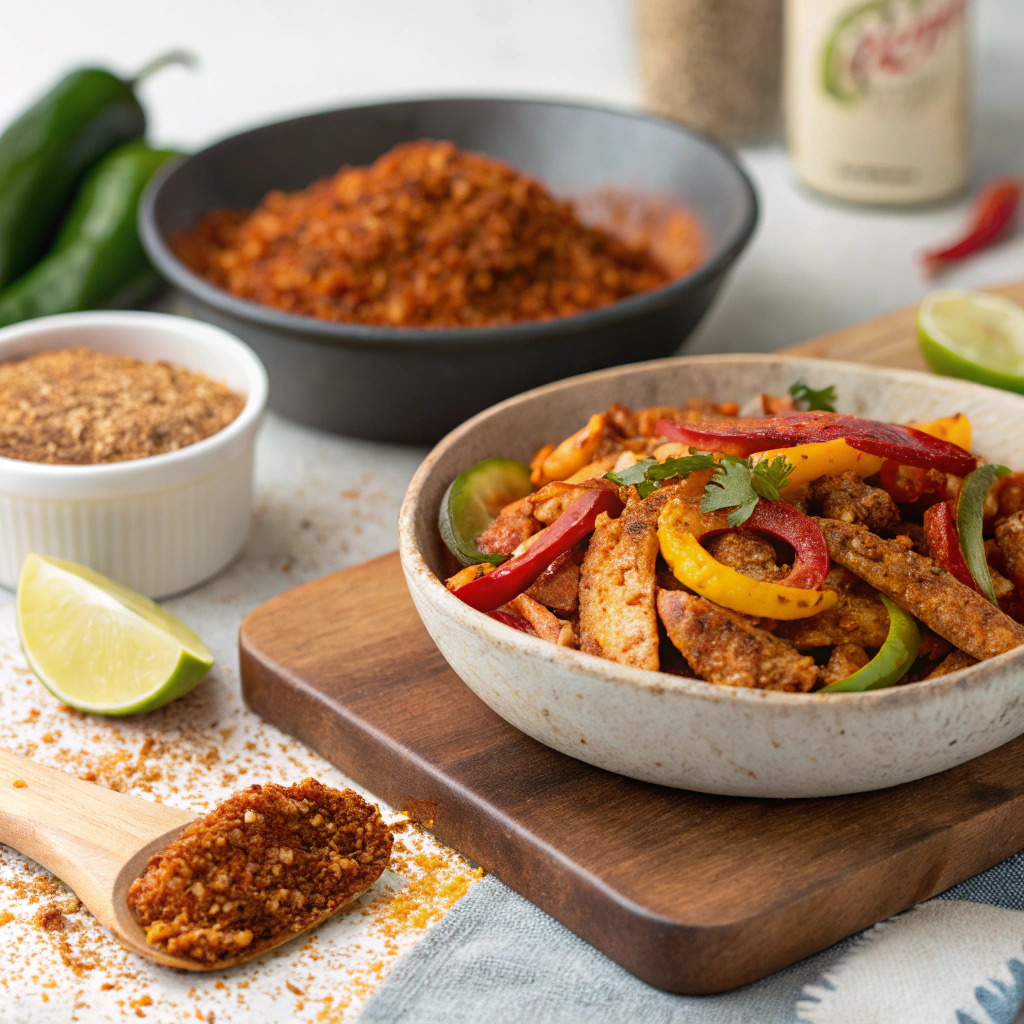
This homemade chili seasoning can be used in a variety of dishes beyond just chili. Use it to spice up tacos, sprinkle it over roasted vegetables, or mix it into soups for added flavor. Start with about two tablespoons of the seasoning per pound of meat or beans, adjusting to taste. Store any leftover seasoning in an airtight container and keep it handy for whenever you want to add a burst of flavor to your cooking. This versatile seasoning will quickly become a staple in your kitchen.
Problem? Solution!
| Problem | Solution |
|---|---|
| Your chili tastes bland despite using the seasoning. | Ensure you are using fresh spices, and consider adding a pinch of salt or a splash of vinegar to brighten the flavors. |
| The chili is too spicy. | Balance the heat by adding more beans or tomatoes to dilute the spiciness, or a spoonful of sugar to cut through the heat. |
| The seasoning clumps together. | Make sure to mix the spices thoroughly before storing, and consider adding a small amount of rice or dried beans to the container to absorb moisture. |
You Asked, I'm Answering
Can I adjust the spiciness of the chili seasoning?
Yes, you can easily adjust the spiciness by varying the amount of cayenne pepper or chili powder.
How long can I store homemade chili seasoning?
You can store it in an airtight container for up to six months.
What dishes can I use this seasoning in?
This seasoning is great for chili, tacos, soups, and even roasted vegetables.